I wasn’t planning on writing this blog post this week. I wasn’t actually planning on writing ANY blog post this week (I’d love to blog more frequently, but my editorial workload is very full at the moment!)
However, I had someone contact me about wanting my services on their new project, and I think we need to talk about it. (And I think my current clients will be only too happy for me to dedicate an hour or so of my time to clarify this.)
An Enquiry Too Far
Although I will not be posting any names, identifying details, or anything else that might distinguish this contact, I am going to be including the main content of this enquiry here.
The individual was interested in my services because:
We're launching a new publishing company that specializes in AI-generated SF novels. We need an experienced editor to help us create a template that would focus on the essentials such as story beats, character arcs, etc. Our first book is XX,000 words and it would serve as the prototype including an emphasis on length.
Now, I have received enquiries before from individuals who have wanted my services on their MSs that have had some generative-AI use in them (and I will talk about my response to those individuals shortly) but I have NEVER had someone so brazenly contact me about their use of AI to generate ‘novels’, or to ask for my services to help them basically try to make real, human, authors more redundant.
I was genuinely shocked, and more than a little furious. And it also made me realise that although I do specifically say on my About page that I don’t work on MSs created using generative-AI, I clearly haven’t been explicit enough. Although I wasn’t particularly pleased to have received this enquiry, it has prompted me into action to talk about my opinions of, and my policy around generative-AI.
So, let’s get into it, shall we?
Romanticising Tech
I’ve loved technology since I was really young. As an elder-millennial, I grew up as the internet was really beginning, and watched it flourish with fascination. I loved the idea of AI in SF novels, and one of my favourite movies was Mamoru Oshii’s adaptation of Ghost in the Shell (which, if you haven’t watched, you really should!) I really enjoyed the existential questions around consciousness, and what it is to be ‘alive’. I was entranced by Kevin Warwick’s engineering of cybernetic implants, and have always wondered how and where technology will go next.
When generative-AI became popular in the past few years, I wasn’t surprised at all. But I was genuinely disappointed to see how its application has been skewed and manipulated to create ‘art’, by stealing the intellectual property of millions of authors and artists, and using it to ‘train’ AI to spit out derivative, soulless content that is simply an amalgam of multiple humans’ creative endeavours.
That felt so lazy to me.
Not Black or White
Now, I want to be clear that I don’t have a completely black-and-white view of generative-AI use. I do think that it has some useful applications!
For example: I have ADHD. It’s not something that I bring up much in public, because I don’t think it has anything to do with my editing really, but it does impact the more business-related elements of… well. Running a business! And I can struggle to organise my time. In the past, I have used generative AI. (I’m not going to go into the environmental impacts and considerations surrounding AI use in this blog post, but given that I am not using generative-AI any more for even the uses detailed above gives you the general idea of my opinions on this.) I used it to try to help me arrange my time in a more practical way, and to create transcripts of meetings I’ve attended, because I struggle to listen and write notes at the same time. I used generative-AI as a method of mechanical support, as a tool, to make the mundane elements of my life easier.
That, in my opinion, is the point of generative-AI. Not to replace, but support. Something that supports your mundane day-to-day to allow you the capacity to create. Not something that creates for you.
And no. As far as I’m concerned, crafting the prompt is not creative. It is not an art. It might be a skill, at a push, but never art.
What is Art Then?
To me, art is about conveying the experience of being human.
And regurgitating snippets of stolen art that expresses an individual’s experience to cobble together something approximating a novel, or a painting, or a poem MISSES THE POINT.
My Opinion on Generative AI Use in Writing
Ethically and philosophically, I do not consider the use of generative-AI in writing acceptable. (This, in my opinion, applies to all creative pursuits, but given my position in the literary community/publishing industry, that is what I am specifically referring to here.)
As such, I want to use this blog post to fully highlight my policy on generative-AI. (Also, I reserve the right to come back in here and edit this in the future, but when I do, I will make a note at the bottom of the post detailing the date and changes made.)
My Generative AI Policy
I, Alexandra Dawning of Dawning Editorial:
will never upload any client’s material onto a cloud-based generative AI or large language model. For any reason.
do not use generative AI or LLMs in the editing of client’s manuscripts, either on the cloud or locally. This includes tools like Microsoft’s Copilot.
do not use generative AI or LLMs in the writing of my editorial reports, either on the cloud or locally. This includes tools like Microsoft’s Copilot.
will only ever use tools that have an element of generative AI (such as text-to-speech) locally, and I will gain the individual client’s explicit approval in writing before doing so.
will never knowingly upload client material to a cloud-based system where it could be mined for data to train generative AI or LLMS (I currently use OneDrive to sync files over multiple devices while I am working on them, but these remain private, and—as previously stated—I do not use Microsoft Copilot in my editing.)
In turn, when a client signs a contract to work with me, they will need to declare that:
they have not used any generative AI or LLM tools when:
fact-checking
drafting content
world-building (including magic systems and science-fiction elements)
developing characters and characterisation
creating believable inter-character relationships
altering the tone
revising
manipulating or changing their prose
completing any of the forms sent to them by Dawning Editorial (including my contact form).
they will not upload any of the deliverable products generated by Dawning Editorial (such as reports, or annotated manuscript copies) onto a cloud-based generative AI or LLM, and that they will not use any generative-AI tool on those deliverables to amend them in any way.
Previous Enquiries
As I mentioned, in the past, I have received enquiries from individuals who have either been very open about their use of generative AI, or have insisted that they haven’t used generative AI, despite evidence to the contrary within the information shared with me. In any incidence where this is the case, I have respectfully declined to work on the individual’s project.
An Ongoing Consideration
Ultimately, the use of generative AI is going to continue to change and develop (some may say ‘improve’) over time, and as such, I do reserve the right to amend my position and policy regarding generative AI in the future.
I also understand that this is a contentious issue, and that every individual will have their own opinions about its use, and I certainly don’t wish to demonise anyone for their differing views on the subject.
However, I did want to take this opportunity to be as clear as I can about where Dawning Editorial stands on the use of generative AI in the written medium.
If you got this far, then I’m going to assume that you have an interest in this discussion, in which case, you might want to think about watching Brandon Sanderson’s YouTube video about the use of AI in ‘art’.
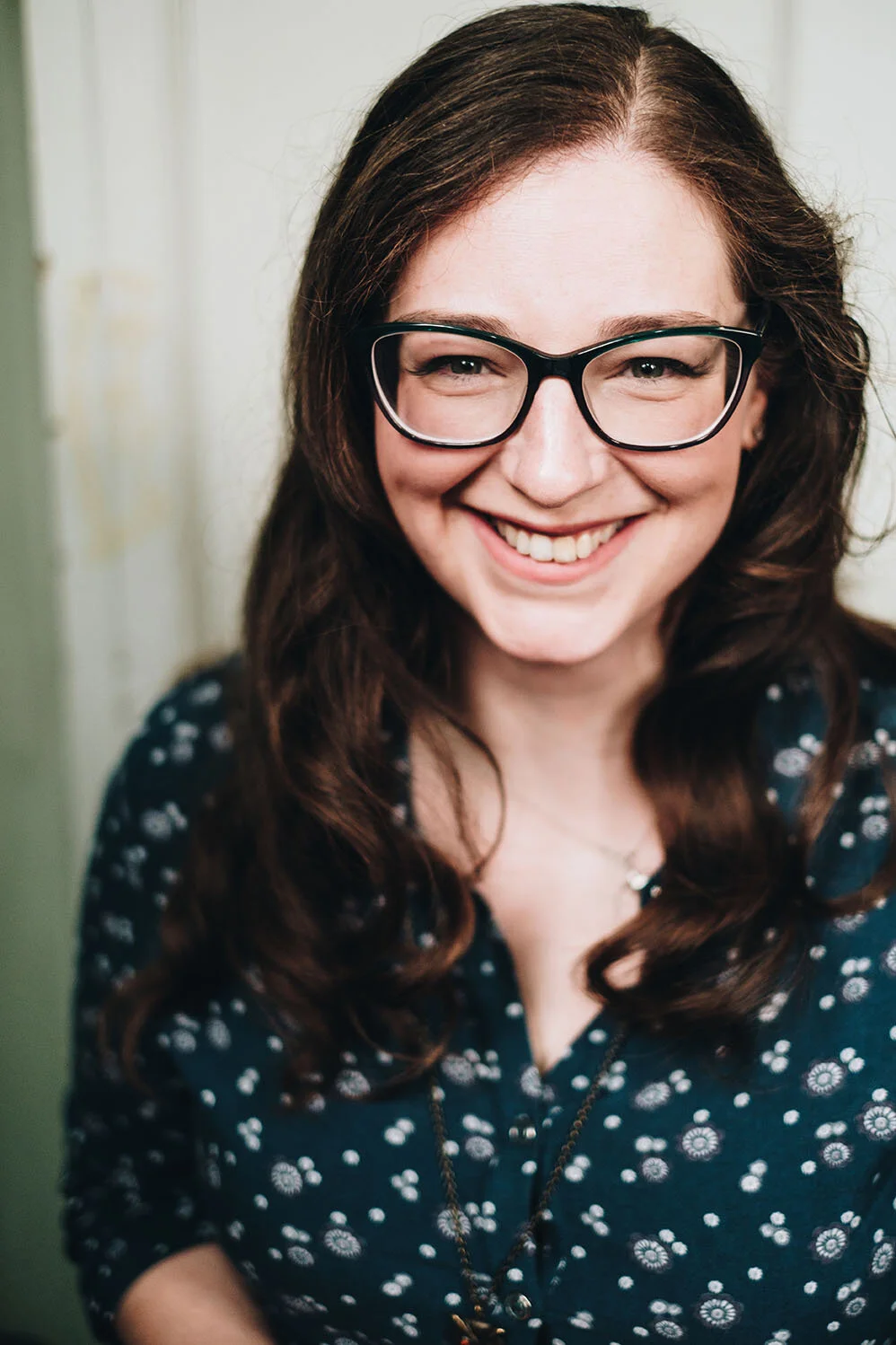
Hi, I’m Alexandra.
I’m a developmental editor specialising in helping authors of fantasy, sci-fi and all kinds of speculative fiction bring their worlds to life, and make their books as immersive, compelling and enjoyable as possible!
Follow my blog for writing craft tips specifically tailored for speculative fiction authors.